
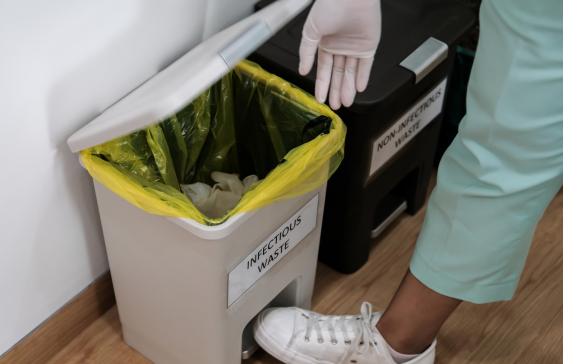
In the ever-evolving world of healthcare, waste management has seen remarkable innovations that are making hospitals, clinics, and other medical facilities safer and more sustainable. Traditional disposal methods are being replaced by smart, technology-driven solutions that prioritise efficiency, safety, and environmental consciousness.
One of the most significant advancements is the introduction of automated sharps disposal systems. These systems use RFID tracking and sensor technology to ensure proper disposal and reduce human error. Additionally, waste-to-energy solutions are gaining traction, converting medical waste into renewable energy, minimising landfill impact. Waste-to-energy technology not only reduces the amount of waste being sent to landfills but also provides an alternative energy source that can power hospitals and medical facilities, creating a more sustainable cycle of waste management.
Moreover, biodegradable sharps containers are becoming increasingly popular, reducing plastic waste in healthcare settings. These containers are designed to break down naturally over time, unlike traditional plastic containers that persist in landfills for decades. The use of AI-driven waste monitoring systems is another breakthrough, allowing facilities to track disposal patterns and optimise waste management strategies. These smart systems can detect when a container is nearly full and alert staff, ensuring timely removal and preventing overflows that could lead to accidental exposure.
Sustainability is also playing a key role in innovation, with some companies developing recyclable and compostable disposal units. This shift towards greener alternatives is crucial in reducing the healthcare industry’s environmental footprint. Additionally, new treatment methods, such as microwave sterilisation, are emerging as effective ways to neutralise biohazardous waste before disposal, reducing the need for incineration, which contributes to air pollution.
Another exciting development is nanotechnology in waste containment, which enhances the durability and safety of sharps containers. These nanotech-based materials help prevent punctures and leaks, ensuring safer disposal and minimising risks to healthcare professionals. Innovations in smart tracking devices, such as QR-coded sharps containers, also allow medical facilities to monitor and document waste disposal, ensuring compliance with regulatory standards.
As technology progresses, healthcare facilities must stay ahead by adopting modern waste management solutions that protect both patients and professionals while reducing environmental harm. Investing in sustainable waste treatment facilities and educating healthcare workers on best disposal practices will play a critical role in shaping the future of medical waste management.

