
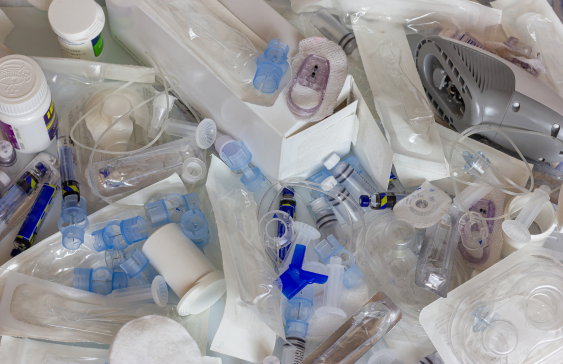
The healthcare industry plays a vital role in saving lives, but it also generates a substantial amount of waste that can harm the environment. Improper disposal of sharps and medical waste leads to pollution, contamination of water sources, and increased greenhouse gas emissions.
Each year, millions of used needles and medical instruments end up in landfills, oceans, and public spaces. This poses a significant hazard, not only to wildlife but also to sanitation workers and the general public. The release of hazardous chemicals from incinerated medical waste contributes to air pollution, exacerbating respiratory conditions and environmental degradation.
To combat this, many healthcare facilities are shifting towards eco-friendly disposal methods, such as biodegradable sharps containers and sustainable incineration techniques that reduce toxic emissions. Additionally, proper waste segregation at the source significantly cuts down the volume of hazardous waste, leading to more efficient recycling processes.
Innovative approaches such as plasma gasification and autoclaving are gaining popularity as alternatives to incineration. Plasma gasification turns waste into synthetic gas, which can be used as fuel, reducing landfill contributions. Autoclaving, on the other hand, uses steam sterilisation to neutralise biohazardous waste before disposal.
Healthcare institutions and policymakers must collaborate to enforce stricter regulations and promote environmentally friendly disposal solutions. By adopting sustainable practices and raising awareness, healthcare professionals can make a significant impact in reducing the industry’s carbon footprint.

