
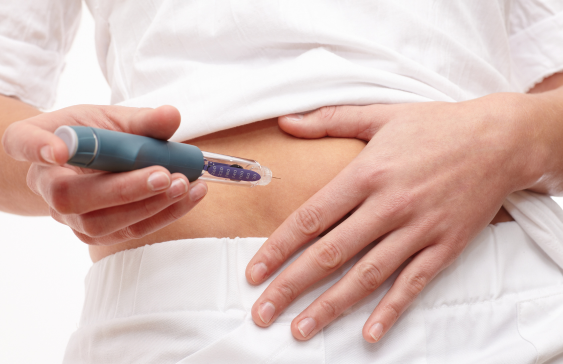
More Americans than ever are self-administering medications at home, from insulin injections to fertility treatments and biologics. This shift offers convenience for patients but has created a surge in home-generated sharps waste. Without proper disposal systems, these needles often end up in household trash, creating risks for sanitation workers and the community.
Why Home Disposal Matters
Improper disposal can lead to accidental needlestick injuries, spread of bloodborne pathogens, and environmental contamination. The FDA and EPA both recommend specific guidelines for household sharps disposal, but many patients are unaware of these recommendations.
Hospital Role in Education
Hospitals and clinics can play a pivotal role by:
- Providing clear verbal and written instructions on sharps disposal when prescribing injectables.
- Supplying approved sharps containers at discharge or offering them at low cost.
- Creating educational campaigns through patient portals and social media.
Community Solutions
- Drop-Off Programmes: Hospitals can partner with local pharmacies, police stations, or community centres to establish collection sites.
- Mail-Back Services: Patients receive pre-paid sharps containers that they can return safely once full.
- Public Awareness Campaigns: Informing the public about available disposal sites increases participation.
Case Study
A community health centre in Colorado implemented a combined education and drop-off programme and reported a 200% increase in safe disposal rates within 18 months.
Conclusion
Safe home sharps disposal is a shared responsibility between patients, providers, and public health officials. Hospitals that invest in patient education and community programmes reduce risk, build trust, and improve public health outcomes.
Healthcare providers should audit their current patient education materials and look for opportunities to collaborate with local waste authorities and pharmacies to make safe disposal more accessible.
